Asking for money, and giving it
Discussing Wealth with Grandparents: Scripts for Asking for Gifts That Grow
Scripts for asking grandparents to give to your child’s 529 or savings instead of more toys, plus how to handle pushback and the 2026 rules for big gifts.
Updated September 28, 2026 · 27 min read
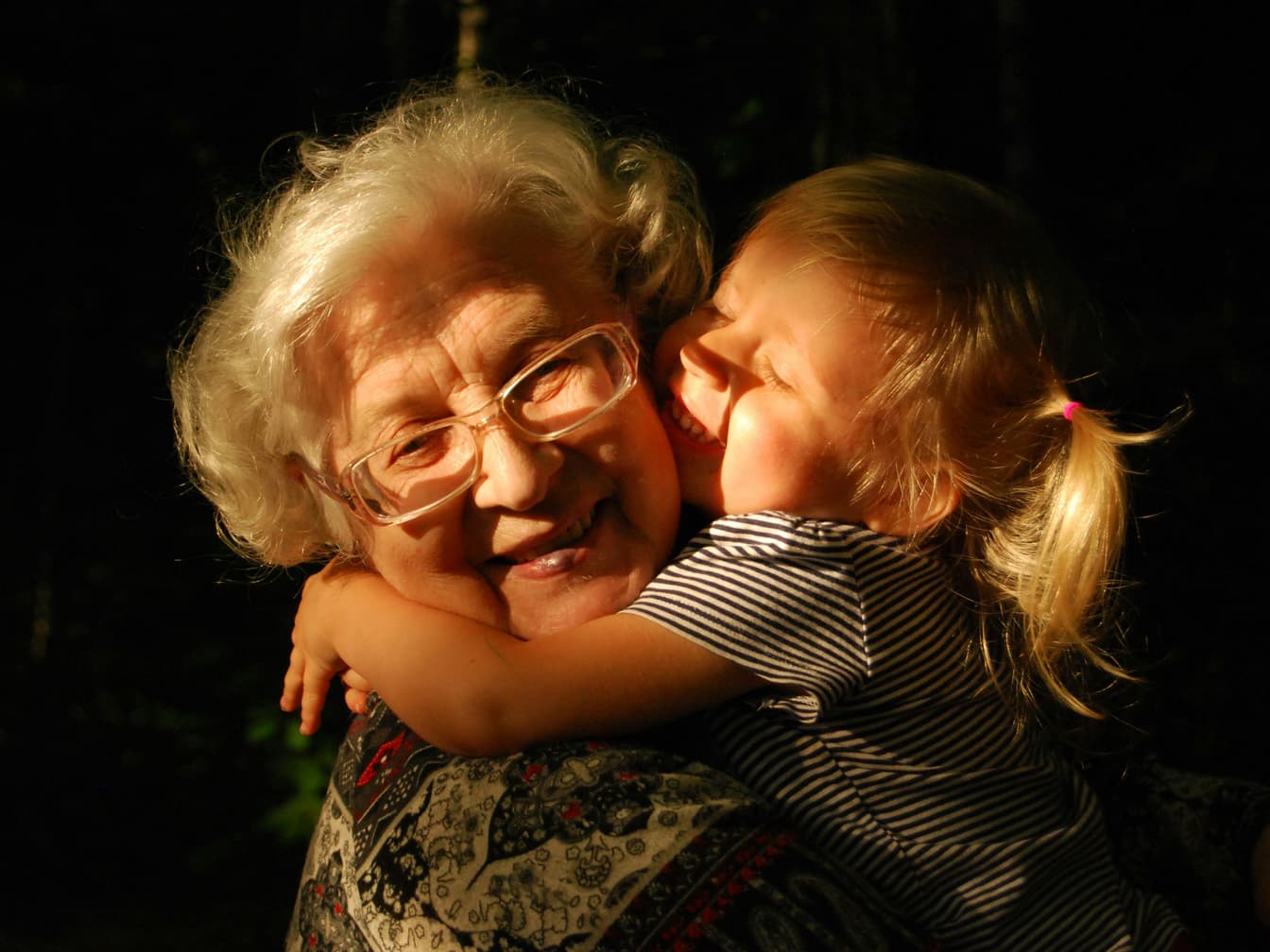
Grandparents are some of the most generous people in a child’s life. In a 2026 study of nearly 3,300 grandparents, 9 in 10 said they had given their grandchildren financial support in the past year, spending an average of $2,654 on all of their grandchildren combined, according to AARP Research. They’re most likely to spend that money on birthday and holiday gifts, AARP reports.
For many families, that generosity arrives as a steady stream of toys. Asking grandparents to steer some of it toward your child’s future can feel awkward, even ungrateful, as if you were telling them how to love their grandchild. It doesn’t have to. Handled with care, the conversation gives grandparents a way to be part of your child’s life long after the wrapping paper is gone.
This guide, part of our Ultimate Guide to Building a Generational Nest Egg for Your Child, covers how to prepare, how to frame the ask, word-for-word scripts for the first conversation and the most common pushback, and the rules that come up when a grandparent wants to give more, from the 2026 gift tax limit to 529 plans, financial aid, and Trump Accounts.
Why asking grandparents feels hard
For a lot of grandparents, choosing a present is part of the joy of the role. In AARP’s study, 83% of grandparents reported high levels of joy in grandparenting and 80% reported high levels of fulfillment. A gift they picked out, wrapped, and watched a grandchild open is a small ritual of love. So when parents suggest something different, it can sound like criticism, even when it isn’t meant that way.
Givers and recipients value different things
Research suggests both sides are acting on good instincts. In a 2016 review of gift-giving studies, Jeff Galak, Julian Givi, and Elanor Williams found that givers tend to focus on the moment of exchange, choosing gifts that will delight when they’re opened, while recipients care more about how useful a gift will be over time, according to the Association for Psychological Science. One common mistake the researchers describe is giving an unrequested surprise when the recipient was hoping for something from a list or registry.
A toy usually wins the moment it’s unwrapped. A contribution to your child’s savings keeps paying off for years. The goal of the conversation is to find gifts that do both.
Fewer toys, better play
There’s a case for fewer toys, too. University of Toledo researchers watched 36 toddlers between 18 and 30 months old play in a room with either four toys or 16. With fewer toys, the toddlers played twice as long with the toys they had and in more sophisticated ways, the university reported. It’s a gentle point worth sharing: fewer, better gifts aren’t a loss for your child.
Grandparents worry about the future, too
Grandparents are often thinking about the same future you are. In AARP’s study, the future cost of living topped grandparents’ list of worries for their grandchildren, named as a strong concern by 45%, and 28% named educational quality and access. A gift toward your child’s savings speaks directly to those worries, and it gives grandparents a way to help with them now.
Those gifts add up. At a hypothetical 7% average annual return, $100 given at a first birthday could grow to about $316 by age 18. Our guide to how compound interest works for minors explains why early gifts do so much of the work.
Before you talk: get on the same page
A little preparation keeps the conversation short, warm, and clear.
- Agree as a couple first. Decide together what you’ll ask for and what you won’t. Utah State University Extension calls a united front a key strategy with in-laws, with both partners deciding together how to handle a situation while respecting each other’s room to manage their own parents.
- Let each of you talk to your own parents. The adult child usually has the longest history with them and the most room to be candid. Your partner can add warmth and thanks afterward.
- Decide exactly what you’re asking for. One small gift plus a contribution? Experiences instead of things? Contributions only for big milestones? A simple, specific request is easier to say yes to.
- Know where the money goes. Grandparents will ask, so have a one-sentence answer ready: a 529 plan for education, a custodial account for anything that benefits your child, or a Trump Account for long-term growth. Comparing Investment Accounts for Kids can help you choose.
- Have the link ready. Whether it’s your child’s GoodNest page or your 529 plan’s gift page, grandparents should be able to give from their phone in a minute or two.
- Pick the moment. Ask in a relaxed call or visit a few weeks before a birthday or the holidays, before the shopping starts. Avoid the party itself, the family group chat, and anywhere your child can overhear.
Traditions differ from family to family. In some, money gifts are already customary. In others, a carefully chosen present is the whole point. Start from where your family is.
How to frame the ask
How you ask matters as much as what you ask for. These principles keep the focus on the relationship.
- Lead with thanks. Start with what grandparents already do for your child. Gratitude sets a very different tone than “the playroom is overflowing.”
- Make it about the future, not the clutter. “We’re building something for her future, and we’d love you to be part of it” invites grandparents in. Complaints about stuff put them on the defensive.
- Invite, don’t instruct. Grandparents are adults with their own traditions and budgets. Ask, and be ready to hear no.
- Keep something to unwrap. The moment of giving matters to givers, so protect it. Suggest a small keepsake, such as a book, alongside a contribution.
- Let them choose the amount. Never name a number. Budgets vary widely, and “any amount is wonderful” keeps an invitation from turning into pressure.
- Make it easy. Send one link by text or email, and offer to walk through the first gift together. In AARP’s study, 76% of grandparents said texting, video calls, social media, and similar tools are a primary way they stay connected, so a texted link fits how most families already talk.
- Show them the results. Promise updates, then send them. Watching the account grow is what turns a one-time gift into a family tradition.
Scripts for asking grandparents to give to savings
Use these as starting points and put them in your own words. Swap in your child’s name and pronouns, and the account you’re using.
Mom, Dad, you’ve been so generous with [child’s name] since the day she was born, and she lights up every time she sees you. We’ve started saving for her future, a 529 plan for college or whatever training she chooses, and we’d love for you to be part of it.
For birthdays and holidays, would you consider putting something toward her account instead of a big toy? Any amount is wonderful. And please keep picking out something small for her to open, like a book. That part is yours, and she loves it. We’ll send you updates so you can watch it grow.
Hi Mom! Before [child’s name]’s birthday, we wanted to share something. We set up a page where family can add to her college savings, and it takes about a minute on your phone: [link]. If you’d like to give that way this year, we’d be so grateful. A book to go with it would make her day. Love you!
We know it’s hard being so far away, and shipping presents is a hassle. This year, if you’d like, you can send her birthday gift straight to her savings with this link: [link]. Let’s set up a video call so you can see her open your card, and we’ll send you a photo of her with whatever book you pick.
Whichever version you use, end with thanks and then let it rest. One clear, warm ask works better than a reminder before every occasion.
Scripts for common pushback
Even a warm ask can meet resistance. Most pushback is about a feeling more than the money, so answer the feeling first.
“But I love picking out presents.”
You’ll likely hear some version of this, and it’s a good sign. The grandparent is telling you that choosing gifts is part of how they show love. Don’t take that away. Make room for it.
We love that too, and we don’t want you to stop. What if you picked out one special thing, like a book or a little something to open, and put the rest toward her account? She gets a gift from you to unwrap and one that keeps growing.
Some grandparents turn the small gift into a tradition, like a new book every birthday with a note written inside the cover. It becomes a keepsake that outlasts any toy.
“Money isn’t a real gift for a child.”
Some grandparents feel a contribution is too grown-up, or that kids should just get to be kids.
She’ll still have plenty to play with, I promise. She has more toys than she can use, and she mostly plays with the same few. What she won’t have without you is a head start. When she’s 18 and starting out, part of that will be from you, and we’ll make sure she knows it.
“We already bought something.”
Never turn down a gift that’s already in hand. Say thank you, mean it, and save the idea for next time.
Thank you, she’s going to love it. And if you ever want an easy idea for next time, her savings account is always a great one.
“We can’t afford much right now.”
Money can be tight for grandparents, too. In AARP’s study, most said their financial support for grandchildren involved no sacrifice or strain, but 14% said it did. Take the pressure off right away.
Please don’t worry about the amount at all. Anything you give matters, and honestly, the best gift is time with you. Would you want to take her to the zoo for her birthday? She’d remember that for a long time.
Experiences are a strong alternative. In experiments with real gift exchanges, Cindy Chan and Cassie Mogilner found that experiential gifts strengthened relationships more than material gifts did, whether or not the giver shared the experience, as they reported in the Journal of Consumer Research.
“We want to treat all the grandkids the same.”
Fairness matters to grandparents, especially when their other children handle gifts differently. Respect that, and don’t ask them to apply your approach to anyone else.
That’s so thoughtful. You could give each of them the same amount and let each family decide how to use it. For us, her savings account is what helps most, but the cousins’ parents might choose something different, and that’s completely fine.
“How do we know the money goes where you say?”
It’s a fair question, and it deserves a transparent answer.
Great question. Every gift goes into her 529, and we’ll send you a screenshot when it lands. Once a year, we’ll send an update so you can see how it’s growing. If you’d rather, you can also give straight into her account through the plan’s gift page.
Almost all 529 plans accept gifts by check, and some offer online gifting platforms that let family and friends deposit electronically, according to Saving for College.
“What if she doesn’t go to college?”
Grandparents often worry that education savings will go to waste. 529 plans are more flexible than many people realize.
We thought about that too. Her 529 can pay for trade school, apprenticeships, and certificate programs, not just college. If she never uses it, we can switch it to a sibling or cousin, and once the account is 15 years old, some of it can even roll into a Roth IRA for her.
Ohio’s 529 plan, for example, notes that its accounts can pay for trade and vocational schools, apprenticeships, and certificate or credential programs, and that an owner can change the beneficiary to another family member, according to Ohio 529 CollegeAdvantage. Once an account is at least 15 years old, up to $35,000 can also roll into a Roth IRA for the beneficiary over time, subject to annual contribution limits and the beneficiary’s earned income, Saving for College explains. The SECURE 2.0 Act: Rolling 529 Funds into a Roth IRA walks through the rules.
“We’d like to help with something bigger.”
Sometimes the answer is more generous than you expected. That’s wonderful, and larger gifts come with a few rules worth knowing, covered in the next two sections.
That would mean the world to us. There are a few ways to do it, and some have tax and financial aid rules worth checking first. Would it help if we sent you her 529 details so you can talk it over with your tax advisor?
What grandparents’ gifts could grow to
Numbers can make the conversation concrete. The chart below shows what one grandparent’s yearly gift could become if it’s invested at birth and on every birthday through age 17.
- Gifts given
- Hypothetical growth
Hypothetical: one gift at birth and on each birthday through age 17, 18 gifts in all, growing at a steady 7% a year and valued at age 18. Doesn’t reflect fees, taxes, or any specific investment.
Show the numbers
| Yearly gift | Total given | Value at 18 |
|---|---|---|
| $100 a year | $1,800 | $3,640 |
| $250 a year | $4,500 | $9,090 |
| $500 a year | $9,000 | $18,190 |
| $1,000 a year | $18,000 | $36,380 |
A grandparent who gives $100 a year would give $1,800 over those 18 gifts. At a hypothetical 7% average annual return, that could grow to about $3,640 by age 18, with growth making up just over half of it. If each set of grandparents gave $250 a year, together that’s the $500 row: about $18,190. The earlier the gifts start, the more of the final balance comes from growth, as The Cost of Waiting shows.
When grandparents want to give more
Birthday-sized gifts rarely raise any rules. Bigger gifts can. Here are the main ways grandparents can give, and what to know about each.
| How they give | Best for |
|---|---|
| From your child’s GoodNest page | Birthday and holiday giftsGifts go straight to you by Zelle, Venmo, or PayPal, and you deposit them in the account you choose |
| Straight into your child’s 529 | Larger giftsMany states let contributors who don’t own the account claim a tax deduction |
| A 529 the grandparent owns | Grandparents who want controlNot reported on the FAFSA, but CSS Profile colleges may count it |
| Your child’s Trump Account | Long-term growthUp to $5,000 a year from everyone combined |
| Tuition paid directly to a school | Private school or college yearsDoesn’t count toward the $19,000 limit |
Based on federal rules for 2026. State tax rules and college aid policies vary.
The $19,000 rule
For 2026, each person can give each recipient up to $19,000 without filing a gift tax return, according to the IRS. That’s per grandparent, per grandchild, so two grandparents can give a grandchild $38,000 if each gives up to $19,000 of their own money. If one grandparent gives it all from their own money, the couple must file Form 709 to split the gift, though no tax is due. The limit covers everything one giver gives one child in a calendar year, including gifts sent from a GoodNest page. Tuition paid directly to a school and medical bills paid directly to a provider don’t count toward it at all, according to the IRS’s Instructions for Form 709. Our guide to the 2026 gift tax exclusion walks through the details.
Going over the limit usually means paperwork, not a tax bill. The excess counts against a lifetime exemption of $15 million per person in 2026, and gifts to grandchildren fall under a generation-skipping transfer tax exemption of the same amount, as Saving for College notes.
Superfunding a 529
529 plans have a special rule for large gifts. A grandparent can put up to $95,000 into a grandchild’s 529 at once, or a couple up to $190,000, and elect to treat it as if it were given evenly over five years. The election is made on Form 709, so a return is required even though no tax is due. The trade-off is that the election uses that giver’s $19,000 exclusion for the grandchild in each of the five years, so other gifts to the same child during that stretch could start using lifetime exemption.
Grandparent-owned 529s and financial aid
Grandparents who want to keep control of the money can open a 529 in their own name with your child as the beneficiary. Under the simplified FAFSA, grandparent-owned 529s aren’t reported as assets, and withdrawals from them no longer count as student income, Saving for College explains. The catch is the CSS Profile, an additional aid form used by about 200 private colleges, which still considers them.
A 529 you own, by contrast, counts as a parent asset on the FAFSA and can reduce aid eligibility by at most 5.64% of its value, and grandparents who contribute to an account they don’t own give up access to that money, according to Saving for College. See How 529s and UTMAs Impact the FAFSA for the full picture.
State tax breaks can be a bonus. More than 30 states offer a deduction or credit for 529 contributions, the same guide notes. Most require using the home-state plan, but nine let residents deduct contributions to any state’s plan, and in seven states only the account owner can claim the benefit. A grandparent in one of those seven states may want to open an account of their own to qualify.
Trump Accounts
Grandparents can also contribute to a grandchild’s Trump Account, but the account can take in no more than $5,000 a year from everyone combined, not counting the $1,000 federal pilot deposit, under IRS Revenue Procedure 2026-25. Because the money generally can’t come out until the year the child turns 18, gifts to these accounts raised a gift tax question. In June 2026, the IRS answered it with a safe harbor: contributions need no gift tax return as long as, among other conditions, they’re made in cash, the giver’s total gifts to that child for the year stay within $19,000, and the giver files no gift tax return for any other reason that year, as announced in IRS news release IR-2026-80.
That last condition matters for generous grandparents. Superfunding a 529 or splitting a gift with a spouse means filing Form 709, which removes the safe harbor for that year, and the grandparent’s Trump Account contributions must then be reported on the return as future-interest gifts. Tax is rarely due, but it’s worth planning with a tax professional before making both kinds of gifts in the same year. The 530A Trump Account Explained covers the account itself.
The bigger conversation: legacy and security
Talking about gifts sometimes opens the door to bigger topics: what grandparents hope to leave the grandchildren someday, and whether they can afford to be as generous as they’d like. These conversations belong to the grandparents. Follow their lead, and never ask about numbers they haven’t offered.
Their security comes first
The logic of the oxygen mask rule applies to grandparents, too: their own retirement and future care come first. The average amount grandparents spend on their grandchildren in a year is more than the average monthly Social Security benefit, AARP notes. If a grandparent’s generosity seems to be stretching them, say so kindly, and make it clear that time together is gift enough.
Leaving money to a minor takes planning
If grandparents plan to leave money to grandchildren, one detail matters a great deal: young children can’t manage an inheritance themselves. When no one has been named to manage it, a probate court may have to appoint a property guardian, an arrangement that usually comes with court reports and limited authority, Nolo explains. Naming a custodian under the Uniform Transfers to Minors Act in a will, living trust, or beneficiary designation avoids that. A custodianship usually ends at 21, though a few states end it at 18 and a handful allow it to run to 25, so grandparents who want the money held longer often use a trust instead. Understanding Trust Funds for the Middle Class and What Happens at the Age of Majority? go deeper.
Name a successor for a grandparent-owned 529
A grandparent who owns a 529 for your child should name a successor owner, the person who takes over the account if the owner dies or becomes incapacitated. The successor gains full control, including the power to change the beneficiary or withdraw the money, so it should be someone who will honor the grandparent’s wishes, often one of the grandchild’s parents. In Ohio’s plan, for example, a probate court may end up choosing the next owner if no successor is named. Naming Successor Custodians covers the same issue for your own accounts.
You’ve mentioned wanting to help the kids someday, and we’re so grateful. We don’t need to know any numbers, and it’s completely your decision. We just want to make sure that if you ever leave something for them, it’s set up so it doesn’t get tied up in court while they’re young. Would it help if we shared what we’ve learned, or the name of the estate planning attorney we used?
Keep the loop going: thank-yous and updates
The ask is only the beginning. What keeps grandparents giving, and feeling good about it, is seeing what their gifts do.
Don’t underestimate a simple thank-you. In experiments by Amit Kumar and Nicholas Epley, people who wrote letters of gratitude underestimated how positive recipients would feel and overestimated how awkward the letters would be. The writers worried about finding the right words, but the recipients were happy simply because of the warmth of the gesture, the University of Chicago reported.
- Thank them soon. A photo or short video of your child with the book or keepsake, sent within a few days, says more than a formal note.
- Send a yearly update. Once a year, share how much family has given and what the account is worth. Thank You Notes and Portfolio Updates has more ideas.
- Let your child do the thanking. A drawing at 3, a phone call at 7, and a handwritten note at 10 teach gratitude along the way. The Age-By-Age Playbook to Financial Literacy shows how money lessons grow with your child.
Hi Mom and Dad! Here’s [child’s name]’s yearly update. Your birthday and holiday gifts added [amount] to her 529 this year, and it’s now worth [balance]. She still asks for the dinosaur book you sent every night at bedtime. Thank you for building this with us.
Where GoodNest fits
GoodNest lets grandparents, aunts, uncles, and friends celebrate birthdays and milestones with a contribution toward your child’s future, often alongside a small keepsake like a book, instead of another pile of toys. It’s built for the conversation in this guide: you share one link, and grandparents can give from their phone and add a note for your child to read someday.
GoodNest doesn’t hold or invest the money. Family send gifts straight to you by Zelle, Venmo, or PayPal, and you move them into the 529 plan, custodial account, or Trump Account you choose. A gift sent from your child’s GoodNest page still counts toward the giver’s $19,000 for your child. If a grandparent wants to give close to that amount, superfund a 529, or contribute to a Trump Account, it’s usually cleaner for them to contribute directly to the account and check with a tax professional.
The bottom line
Asking grandparents to give toward your child’s future instead of more toys isn’t about rejecting their generosity. It’s about giving that generosity a longer life. Agree on the ask as a couple, lead with thanks, keep something to unwrap, make giving easy, and answer pushback with warmth. When a grandparent wants to give big, a little planning around the $19,000 limit, 529 ownership, and Trump Account rules keeps the gift simple. Then close the loop with thank-yous and updates so grandparents can watch what they’re building. For the rest of the plan, head back to The Ultimate Guide to Building a Generational Nest Egg for Your Child.
Frequently asked questions
How do I ask grandparents to give money instead of toys?
Start by thanking them, then invite them to be part of your child’s future rather than criticizing their gifts. Ask privately a few weeks before a birthday or holiday, share one easy link or gift page, let them choose the amount, and suggest they still pick out something small to unwrap, like a book. Afterward, send thank-yous and a yearly update so they can see the account grow.
Is it rude to ask grandparents for savings contributions instead of presents?
Not if you ask warmly and leave room for their choices. Gift-giving research suggests recipients often prefer gifts from a list they made and gifts that stay useful over time, while givers tend to chase the surprise. Keep it an invitation rather than a rule, never name an amount, and accept any gift that arrives graciously.
Can grandparents contribute to my child’s 529 plan?
Yes. 529 plans accept contributions from people other than the owner, and some offer online gifting platforms that make it easy. Grandparents can also open a 529 in their own name for a grandchild. Grandparent-owned 529s are no longer reported on the FAFSA, though private colleges that use the CSS Profile may still count them. In most states with a 529 tax deduction, contributors who don’t own the account can claim it too.
How much can a grandparent give a grandchild in 2026 without filing a gift tax return?
Up to $19,000 per grandchild, so a grandparent couple can give $38,000 when each gives from their own money. Giving more usually means filing Form 709 rather than paying tax, because of the $15 million lifetime exemption. A grandparent can also put up to $95,000 into a 529 at once by electing on Form 709 to spread it over five years, and tuition paid directly to a school doesn’t count toward the limit.
What if grandparents still want to buy toys?
Let them. The goal is balance, not a ban. A good middle ground is one small gift to unwrap, such as a book, paired with a contribution, so grandparents keep the fun of choosing and your child gets something that grows. If a toy arrives anyway, say thank you and save your suggestion for the next occasion.
Sources
- Sarah Kerman, Layne Amerikaner, and Angela Houghton, AARP Research, “Powering Families: The Essential Role of Grandparents in Care, Connection and Support” (June 16, 2026), based on a survey of 3,283 grandparents conducted November 18 to December 22, 2025.
- Paul Wynn, AARP, “Grandparents Provide $731 Billion in Unpaid Care of Grandchildren” (June 16, 2026).
- Association for Psychological Science, “Want to Give a Good Gift? Think Past the ‘Big Reveal’” (December 2016), on Jeff Galak, Julian Givi, and Elanor Williams, “Why Certain Gifts Are Great to Give but Not to Get,” Current Directions in Psychological Science (2016).
- Cherie Spino, University of Toledo, “Fewer toys lead to richer play experiences, UT researchers find” (December 18, 2017), on Carly Dauch and colleagues, Infant Behavior and Development (2018).
- Amy Torres and Lisa Schainker, Utah State University Extension, “Ask an Expert: Building Bridges: Strategies for Successful In-Law Relationships” (May 24, 2024).
- Cindy Chan and Cassie Mogilner, “Experiential Gifts Foster Stronger Social Relationships Than Material Gifts”, Journal of Consumer Research 43, no. 6 (2017).
- Marc Suhr, Saving for College, “Can a Grandparent Contribute to a Parent-Owned 529 Plan?” (August 11, 2025).
- Ohio 529 CollegeAdvantage, “The Importance of Naming a Successor Account Owner” (October 16, 2025).
- Jeff White, Saving for College, “529 to Roth IRA: Rollover Rules, Conversion Guide, and FAQs” (updated August 6, 2026).
- Internal Revenue Service, “Frequently Asked Questions on Gift Taxes”, including the annual exclusion table for 2011 through 2026.
- Internal Revenue Service, “Instructions for Form 709 (2025)”, United States Gift (and Generation-Skipping Transfer) Tax Return. Rules cited here are unchanged for 2026 except the dollar amounts noted.
- Jeffrey Trull, Saving for College, “What to Know About 529 Accounts Owned by Grandparents & the New FAFSA” (updated July 29, 2026).
- Internal Revenue Service, Revenue Procedure 2026-25, “Transfer Tax Safe Harbor for Certain Contributions to Trump Accounts” (June 29, 2026).
- Internal Revenue Service, “Treasury, IRS Provide Safe Harbor for Certain Contributions to Trump Accounts Under the Working Families Tax Cuts”, IR-2026-80 (June 29, 2026).
- Nolo, legal encyclopedia guide to managing property that children inherit.
- Sandra M. Jones, University of Chicago News, “People underestimate value of sending letters of appreciation” (September 5, 2018), on Amit Kumar and Nicholas Epley, “Undervaluing Gratitude,” Psychological Science (2018).
This article is for general educational purposes only and is not investment, tax, legal, or financial aid advice. It covers federal rules for 2026 as of the date above; state tax rules and college aid policies vary. Tax figures can change, and the Trump Account treatment described here comes from a revenue procedure that may be revised or clarified. Growth examples are hypothetical, assume a steady 7% average annual return, and don’t reflect fees, taxes, or any specific investment. Investing involves risk, including possible loss of principal. GoodNest does not provide tax, legal, or investment advice and does not hold or invest funds. For large gifts, estate plans, or anything involving trusts, consider consulting a qualified tax or legal professional.
Part of Expecting, The first year and Small children, 1 to 5.